
Category: Articles
-
Eritrea’s Ghost Bureaucracy
1. Hidden Bias Eritrean political life is often narrated through the familiar vocabulary of dictatorship, militarization, and repression, as though the visible machinery of authoritarianism alone explains the daily injustices citizens endure. Yet the lived reality of Eritreans is shaped far more intimately by a quieter and more pervasive force that rarely enters the national
-
The Anatomy of State Failure in Eritrea
I. The Origins of Authority States do not fail in a single dramatic moment. They unravel slowly, beginning in the quiet spaces where no one imagines politics is taking place. The earliest fractures appear not in ministries or parliaments but in the daily negotiations of ordinary people. A fisherman trading his morning’s catch for a
-
The Elephant in the Room
I. The Meteor We Pretend Fell From the Sky There is a comforting story circulating in Eritrean political discourse – a story repeated so often, and with such ritualistic conviction, that it has become less an argument than a reflex. It tells us that the dictatorship is an alien force, a meteor that crashed into
-
OUR NATIONAL UNITY: Why Eritrea’s Political Imagination Fails Reality
I. The Illusion We Keep Rehearsing In recent weeks, I have been reading a series of essays on awate.on-forge.com – thoughtful pieces by Semere Habtemariam and Saleh Ghadi, attempting to stitch together a moral vision for Eritrea’s political future. They speak of unity, sacrifice, institutional maturity, historical awareness, and the enduring hope that principled action
-
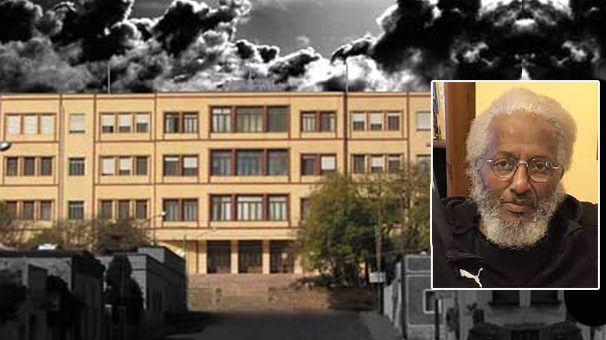
The Normalization of Self-Censorship in Eritrea
When self-censorship becomes pervasive, a society forfeits more than the right to open dissent; it forfeits the very conditions that make common knowledge possible – the shared awareness of what others know, think, and believe. In such an atmosphere, individuals can no longer reliably gauge the convictions of their peers or distinguish private doubt from
-

The Three-Nakfa Gaze: When Poverty Is Put on Display
“Once deprivation is renamed ‘culture,’ it becomes protected from criticism. What appears as heritage can quietly function as camouflage, transforming material constraint into identity and turning urgency for change into an act that looks like disrespect. When citizens encounter one another primarily as curated displays, the relationship shifts from shared political belonging to observation, and…
-

The Golden and the Tin
The Greatest Generation A year ago, or a little longer, a female Eritrean YouTube content creator interviewed Ustaz Saleh Younis, during which he disclosed his preference for the Revolution generation, calling it the greatest generation. I had to second his preference and adopt it, mainly because there is ample evidence to support its validity. When
-
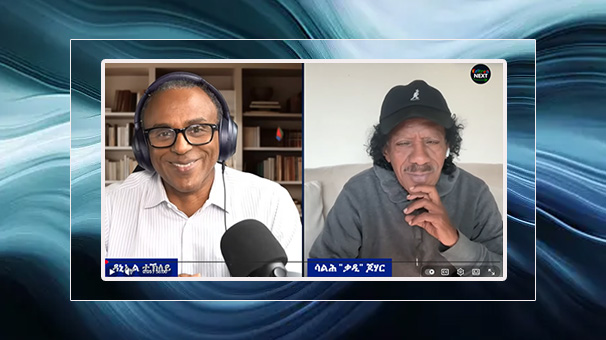
Teklay vs. Hamid Idris Awate
In a YouTube video billed as a “chat with the wise among us,” Teklay and Hamid Idris Awate engaged in an hour-long conversation. Despite Teklay’s insistence that this was not an interview but merely a chat, it followed the familiar interview format: Teklay asked; Awate answered. The themes included the honor of remaining friends with
-

Whose Face Is on the Wall?
Author’s note: In this piece, I’m more interested in the subtle visual habits that quietly reorganize authority and erase local presence without making a spectacle of it. Sometimes the most revealing thing isn’t the portrait you find, but the absence it creates around everything else. Consider this a small observation about walls that points to
-
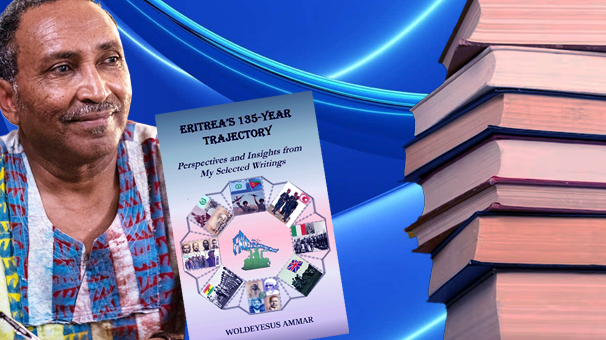
A Monumental Account of Eritrea’s Torment and Struggle
Eritrea’s 135-Year Journey: Perspectives and Insights from My Selected Articles by Woldeyesus Ammar is an unparalleled historical/political collection about the winding journey of Eritrea, spanning more than a century of historic odyssey—from Italian colonisation in 1890 to today under domestic authoritarian rule. In a carefully chosen collection of writings spanning over five decades, Ammar presents
-
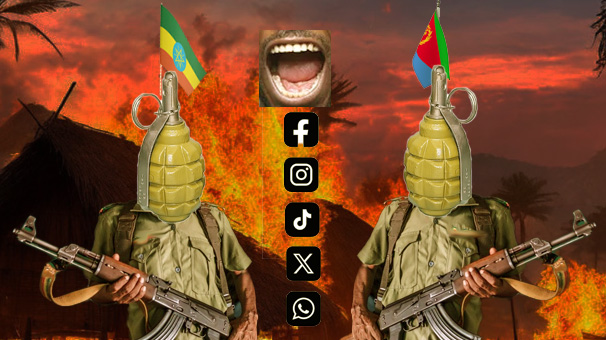
Sharpening the Pen to Defend Eritrea When the War Ignites.
The tensions, the constant beating of war drums, the tragic news of Eritreans drowning at sea, and the social media posts announcing those who have gone missing while crossing borders have all been weighing heavily on Eritreans. But above all, the rising drumbeat of a new war between Eritrea and Ethiopia is making people anxious.
-

The Cycle of Blame: Why Tigray Can’t Learn from the War
Author’s Note This essay examines a recurring pattern in Tigray’s post-war political culture: the public’s tendency to celebrate leaders during moments of triumph and condemn them during moments of failure, while rarely acknowledging its own role in shaping those outcomes. Using the popular Tigrinya-language sitcom Gere Emun (“Gere the Trustworthy”) as an entry point, it
-
Conditions Required for Trust-Building Efforts
The state of our youth today reminds me of a play I came across during my time as a student: Look Back in Anger, by British writer John Osborne, which premiered in London in 1956. To give a general overview of this play, it is considered one of the most prominent works that launched the
-
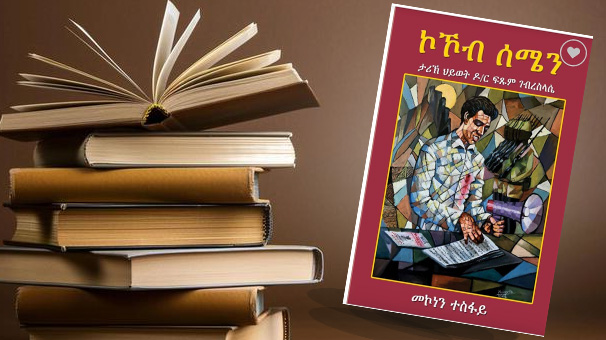
Reflection on the North Star
Editor’s note: the byline data is corrupted; so far we couldn’t resolve the technical problem. The writer of this article is Semere Andom (iSem). Last week, I had the privilege of joining a group of friends to read and reflect on Mekonen Tesfay’s book The North Star: The Biography of Dr. Fitsum. Here is the
-

Refugees Speak Back: Unsettling Exile and Home
In 2007, the Red Sea Press published Sadia Hassanen’s Repatriation, Integration, or Resettlement? The Dilemmas of Migration among Eritrean Refugees in Eastern Sudan. Based on her doctoral dissertation, the book quickly became one of the most important studies of Eritrean refugees in Kassala and surrounding camps. It asked a simple yet unsettling question: what or where
-
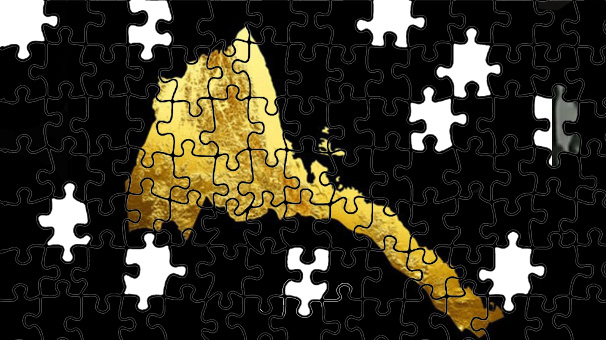
A Return of Sorts to Religion
In a much-publicized recent religious event at the Anda Mariam Tewahdo church, many of the top Eritrean officials were seen at the forefront, solemnly bowing and kissing the cross. In principle, such an occurrence shouldn’t be unusual in a country with a mix of Christians and Muslims. Adherents to faith, regardless of their social status,
-
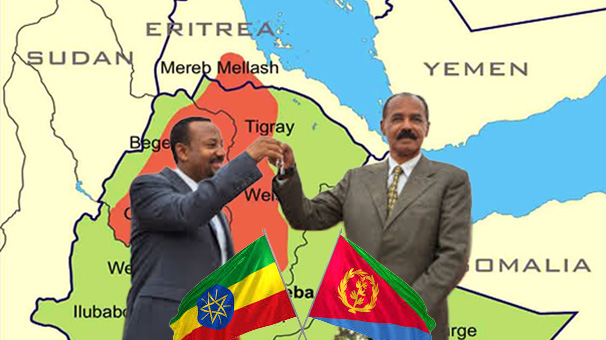
A Critique of Bereket Habtemariam’s Proposal on Sea Access and Sovereignty
Author’s Note: This essay is written in response to a document recently shared by Bereket Habtemariam on his Facebook (also known as Biko Steph). His contribution to the debate over Ethiopia’s access to the Red Sea is imaginative and provocative. Importantly, Bereket has been open that his intention is not to prescribe a final solution,
-
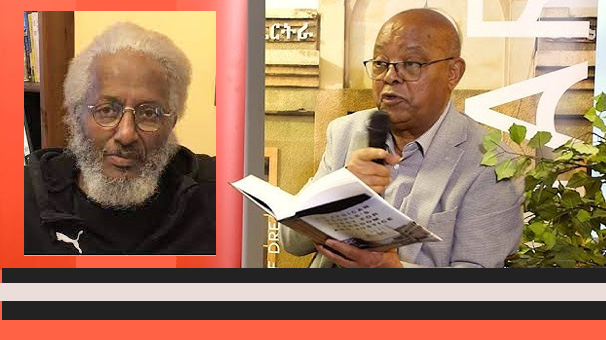
More Reflections on Alemseged Tesfai’s Epilogue
This is not a proper article but rather a collection of thoughts … I started off well, but I was too weak to continue. I was very surprised when I watched a video of a group of PFDJ supporters—the Eritrean regime’s party members—welcoming Alemseged in the embassy hall in London, clapping rhythmically in a rising
-
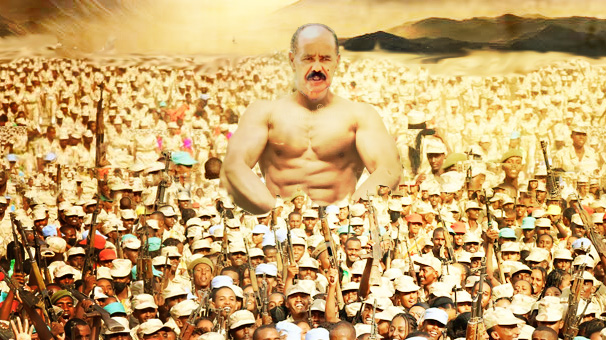
The Religion of Eritreanism in Exile
Author’s Note: This essay is not a tactical critique of government or opposition, but an attempt to reframe how we think about Eritreanism itself. I argue that in exile, Eritrean identity has taken on the qualities of a religion (sustained by longing, ritual, and taboo), which creates a pseudo-reality that confuses expression with political participation.
-
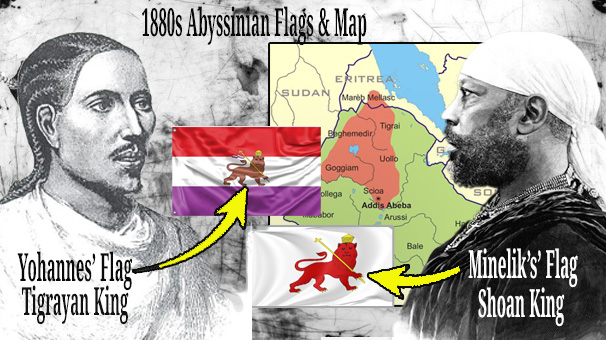
Italian Colonialism (1887-1896): The rise and fall of Shoan and Tigrayan Politics
Italian strategies of colonialism in Ethiopia, 1887 to 1896: The rise and the fall of “la politica scioana” and “la politica tigrina.” Background Italy emerged as a colonial power in 1882 when it formally took over Assab from Rubbatino, a private shipping company, that owned the property since 1869. The scramble for Africa was about