
Category: Videos
-
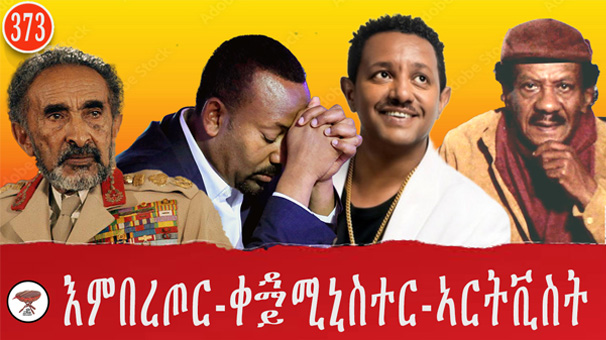
PM Abiy, Teddy Afro, and the Politics of Art
For the past few days, Teddy Afro’s new album has drawn wide attention. A friend told me its lyrics have irritated Prime Minister Abiy Ahmed’s government and sent me a clip of Abiy lecturing parliament about the difference between artists and activists. That pairing—music and political instruction—raises a deeper question: can art ever be separated
-
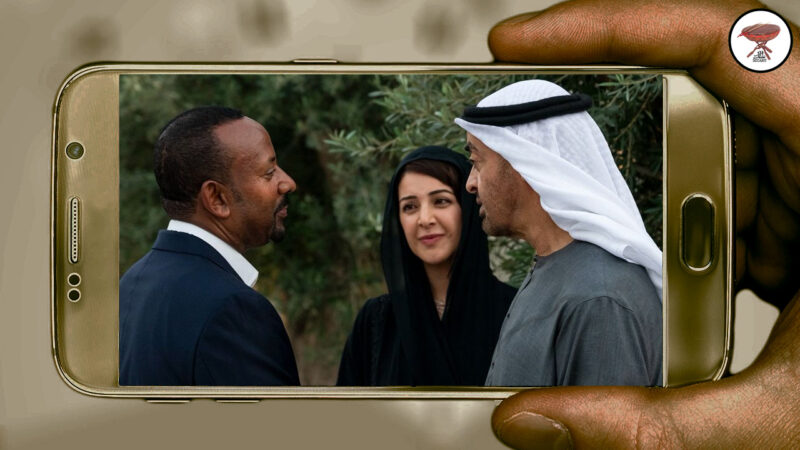
Abiy’s Errand to Abu Dhabi
-
Habrengaqa: The Forgotten Line That Almost Divided Eritrea
Many Eritreans do not know the village of Habrengaqa, halfway on the Keren–Asmara road, at the top of the escarpment—a geographical divide between the Eritrean lowlands and highlands. But that is not the source of its fame. Rather, during the turbulent years of the 1940s, the British Military Administration (BMA) of Eritrea had a devilish
-
Power Needs Compliance
Every power structure requires obedience to survive. Intelligent people question authority; obedient people preserve it.
-
Lies Define The PFDJ
Most of the materials for this 5-part mini-series are compiled from awate.on-forge.com, primarily the detailed first-hand testimony contained in Gebremedhin Zegergis’ eyewitness report. It was the first comprehensive testimonial on this subject. This series sheds light on one of the most sensitive and gray chapters in the history of the Eritrean struggle—from the late 1960s
-
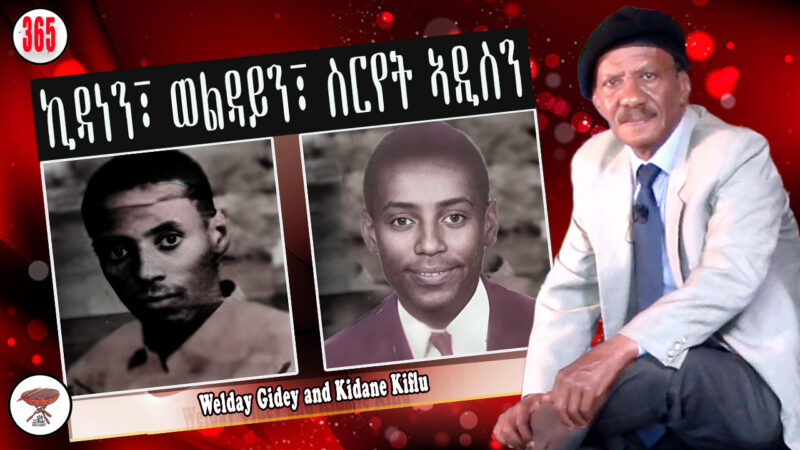
Kidane Kiflu, Welday Gidey, and Serryet Addis
“Painting white over the black spots of history does not erase them; it only turns them into shades of grey”
-
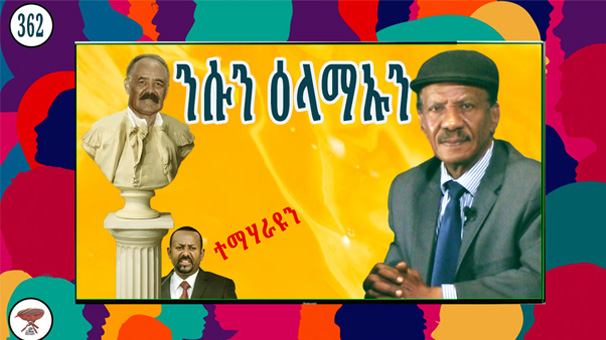
Nehnan Elamanan: The Mother of the PFDJ
Isaias Afwerki’s Nehnan Elamanan manifesto transformed internal grievances into ideological justification for political separation and eventual monopoly power.
-
The Birth of the Mysterious Document
For a long time before Nehnan Elamanan was openly distributed, Isaias and his group were clandestinely circulating parts of it and messages with similar content. Apparently, the originals of these messages were kept in Kassala [Eastern Sudan], and many of those who were part of the planning, writing, or dissemination of the propaganda of Nehnan
-
He and his objectives
The first decade of the Eritrean struggle for independence, which began on September 1, 1961, was a period of experimentation and growing pains. By the late 1960s, however, a convergence of factors—the military setbacks of the field, the draining of regional Arab support following the Six-Day War, and the reach of sustained Ethiopian propaganda—pushed the
-
The Horn of Africa Ethnic See-Saw
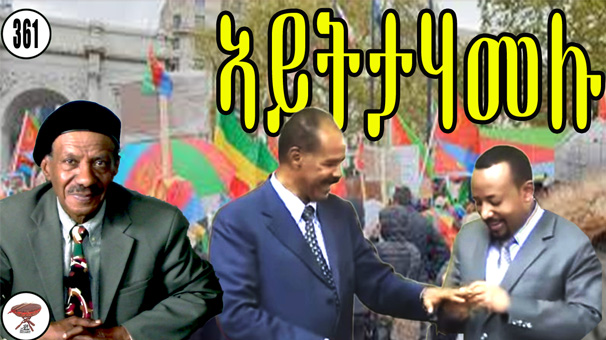
One of the major grievances Isaias Afwerki frequently expresses is his disdain for the ethnic-based political system the TPLF—his on-and-off ally—instituted in Ethiopia. He presents himself as morally appalled by ethnic federalism. Yet this posture obscures an inconvenient truth: Isaias was an equal stakeholder in the regional hegemony jointly exercised by the EPLF and the
-
From Martini to Isaias Afwerki
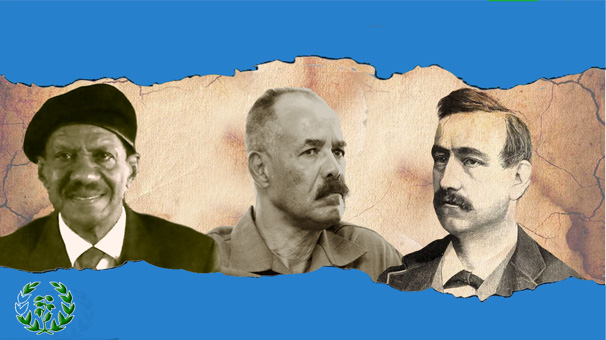
This is edited and contextualized as a reflective opinion essay inspired by the book “Through the Eyes of a Colonizer” by Renato Paoli and translated by Ruth Tewelde There is something I keep running into whenever I read colonial-era books, and it never fails to surprise me. It’s the numbers. At the turn of the
-
Iska Warran, Somalis; Tread Carefully!
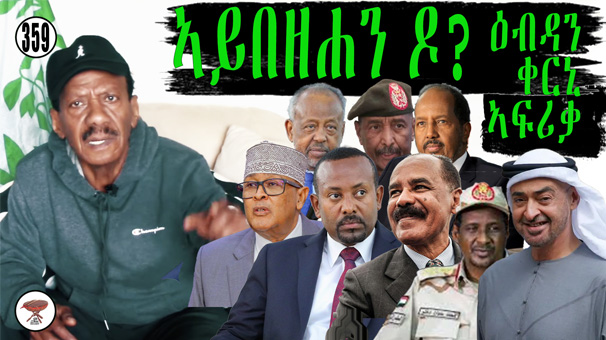
Drawing from Eritrea’s historical experience, the essay analyzes Somalia’s collapse, Somaliland’s resilience, Ethiopia’s controversial push for sea access, and the broader militarization of the Horn of Africa. It warns against foreign interference, empty nationalism, and elite-driven politics, advocating instead for people-centered dialogue and pragmatic, incremental solutions.
-
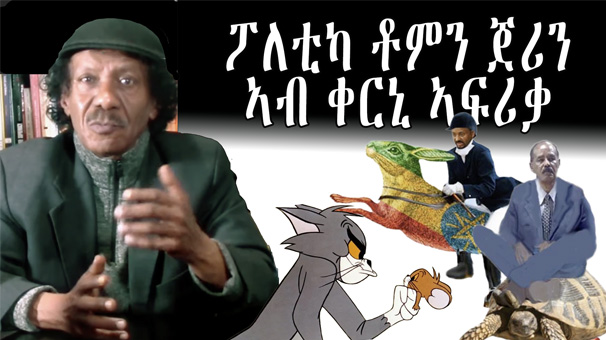
Horn of Africa’s Tom and Jerry Show
Eventful weeks, months, and years have passed, and we will receive 2026 with the same boringly repetitious situation of the world. The Tom and Jerry shows are many and everywhere, but I will focus on the political Golden Globe–winning region: the blessed—and at the same time cursed—Horn of Africa. In recent months, Somaliland produced several
-
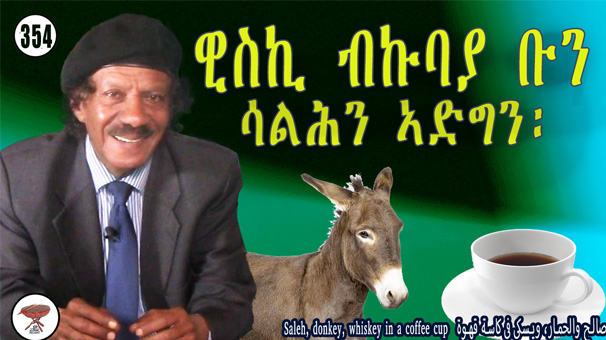
Saleh, a Donkey, and Whiskey in Coffee Cups
Today’s episode concludes the mini-series spanning episodes 349 to 354. I will place them all in one playlist for easy reference. And as the adage goes, sebaay klte neow nejew kbl mote—a person must finish what he starts. There are many topics awaiting us, especially the constant poking from Abiy Ahmed and his flamboyant but empty
-
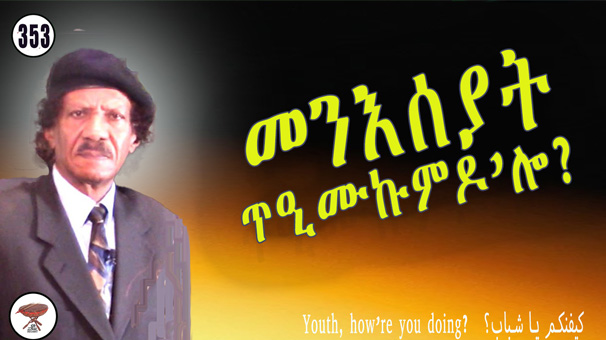
Negarit 353 : Are Eritrean Youth Content?
In today’s Negarit 254, I will tell you about the late Goitom, in addition to other stories of humor and human endurance that I observed during my journey through the Eritrean Kebessa, the highlands. This segment continues the travelogue I began in Negarit 249 and carried through to Negarit 352, and it leads us to
-
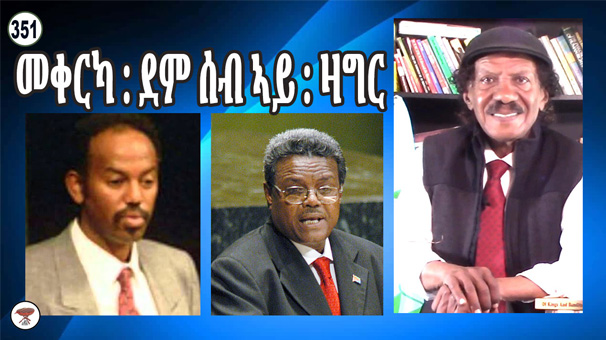
Meqerka, Dem Sebaay, Zagir
In 1967, Israel and the Arabs (basically Egypt) fought the Six-Day War; Israel overran Egyptian territories and took control of the Sinai Peninsula and effectively closed the Suez Canal. Haim Bar-Lev, the Israeli chief of staff, designed a 120 km long ditch and about 20 meters high dirt fortifications. Along the Bar Lev Line, Israel
-
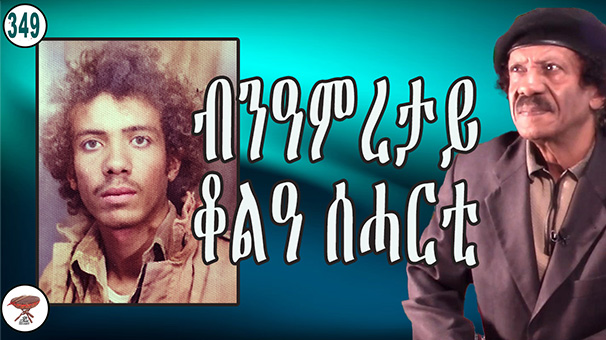
The Beni Amretay Boy in Saharti
A struggle-era picture has resurfaced with confusion for some years, and I promised to clarify a few points in an episode. Today I am fulfilling that promise and will continue to do so in subsequent installments. The series will be rich with information and anecdotes: my meeting with the late Petros Solomon and Ali Sayed
-
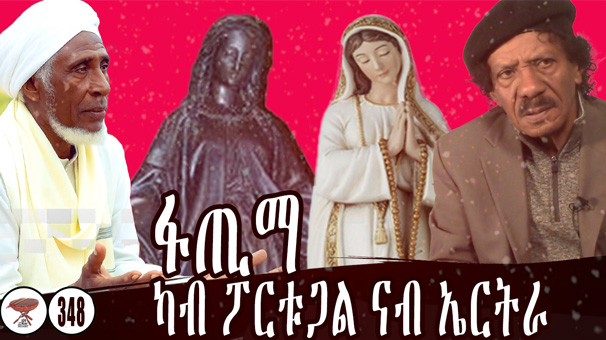
Muslim and Catholic Fatimas
Most Eritreans do not know about the Eritrean Black St. Mary, but many have heard of Mariam Daari, the Black icon of St. Mary. I’m not sure whether it was carved from black stone or molded from some other material. The beautiful icon lives in a vast, hollowed baobab tree on the banks of the
-
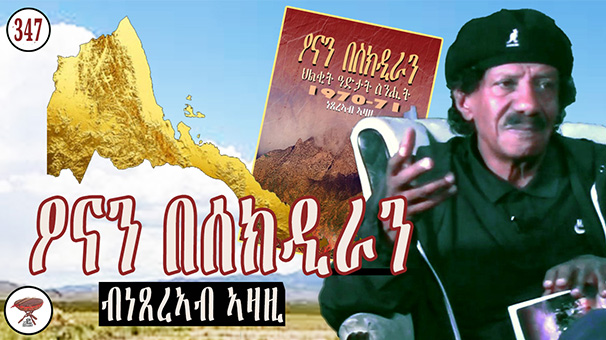
Netsereab Azazi’s Book—Ona and Besekdira
I have written and spoken about Ona—a turning point in my life and among my peers. I thought that experience was as intense as life could get. Reliving those events shakes a person to the core; it is a deeply traumatic experience. What I saw remains etched in my memory. When something stirs those recollections,
-
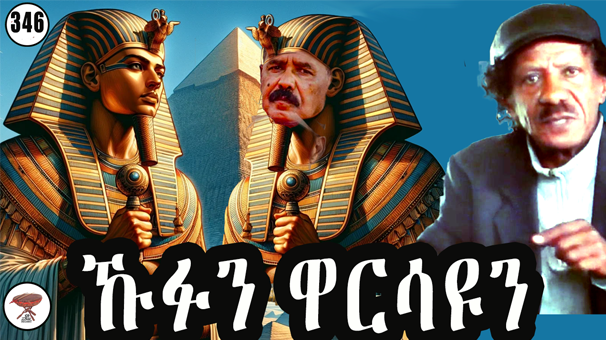
The Faucet Festival
A satirical take on Isaias Afwerki’s mysterious faucet sculpture, comparing it to Pharaoh Khufu’s pyramid and the Syrian comedy “Faucet Festival” to highlight Eritrea’s forced labor and cult of leadership.