
Tag: African politics
-
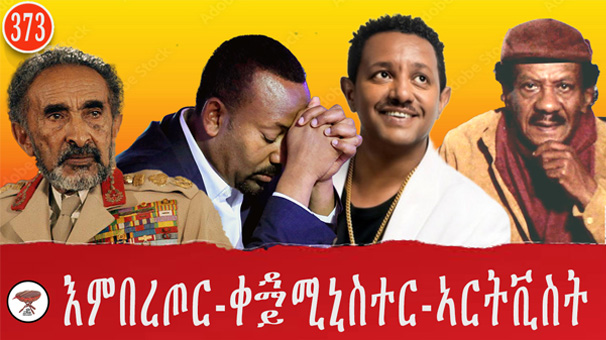
PM Abiy, Teddy Afro, and the Politics of Art
For the past few days, Teddy Afro’s new album has drawn wide attention. A friend told me its lyrics have irritated Prime Minister Abiy Ahmed’s government and sent me a clip of Abiy lecturing parliament about the difference between artists and activists. That pairing—music and political instruction—raises a deeper question: can art ever be separated
-

The Anatomy of State Failure in Eritrea
I. The Origins of Authority States do not fail in a single dramatic moment. They unravel slowly, beginning in the quiet spaces where no one imagines politics is taking place. The earliest fractures appear not in ministries or parliaments but in the daily negotiations of ordinary people. A fisherman trading his morning’s catch for a
-
The Elephant in the Room
I. The Meteor We Pretend Fell From the Sky There is a comforting story circulating in Eritrean political discourse – a story repeated so often, and with such ritualistic conviction, that it has become less an argument than a reflex. It tells us that the dictatorship is an alien force, a meteor that crashed into
-

Power, Image, and Machiavellian Survival (7)
Giants and Lilliputians of the HOA: Power, Image, and Machiavellian Survival Part Seven Introduction The central argument of this essay is simple: the Horn of Africa’s instability has never been caused by its diversity, but by leaders who repeatedly manipulate that diversity for political survival. Across Eritrea, Ethiopia, Sudan, Somalia, and Djibouti, rulers have taken
-
Power, Image, and Machiavellian Survival: Emperor Haile Selassie and President Isaias Afwerki
Two Towering Figures–Giants and Lilliputians (Part 1) Across the sorrowful and entangled histories of Ethiopia and Eritrea, two figures loom with spectral intensity: Emperor Haile Selassie I and President Isaias Afwerki. Their shadows stretch across generations, ideologies, and geopolitical fault lines—each a master of power, each a paradox incarnate. At the outset of their reigns,
-
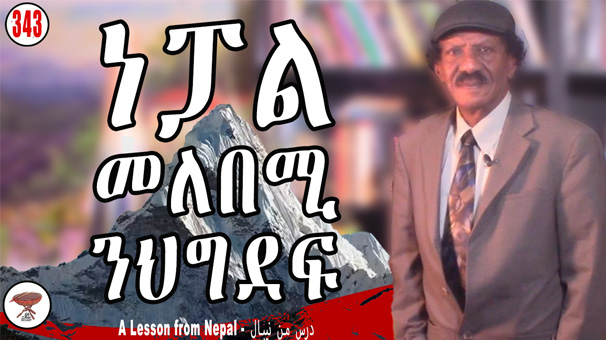
Nepal: A Lesson for the PFDJ and the Youth
Every era popularizes certain names—mainly names of rulers and prominent people of the time. Since the nineteen-forties and fifties, the name of a famous person that was often repeated in newspapers and radio bulletins has become popular; parents adopt the name for their babies. My aunt, (who is my cousin, but I called her aunt
-

Hail Ethiopia, Hail Peace!
“Abiy’s provocative declaration has now become a rallying cry for some Ethiopian extremists.” “No claimed ancient bloodline can legitimize ownership—leaving aside political decisions.” “You shall not covet the Eritrean Red Sea.”