
Tag: Eritrean Governance
-
Eritrea’s Ghost Bureaucracy
1. Hidden Bias Eritrean political life is often narrated through the familiar vocabulary of dictatorship, militarization, and repression, as though the visible machinery of authoritarianism alone explains the daily injustices citizens endure. Yet the lived reality of Eritreans is shaped far more intimately by a quieter and more pervasive force that rarely enters the national
-
Protocol, Power, Policy, and the Urgent Need for Institutions
I. A Visit That Reveals More Than It Intended Eritreans have long relied on Awate’s Regional News link to follow developments across the Horn of Africa, a region where every diplomatic gesture carries weight. This week, one story in particular demanded attention: the visit of Eritrea’s minister of trade and industry, Nasreddin Saleh, accompanied by
-
The Day After: Preparing Eritrea for its Most Dangerous Transition
There comes a moment in the life of every nation when denial becomes a luxury it can no longer afford. Eritrea is approaching such a moment. Tick‑tock. The eventual death of President Isaias Afwerki—whether tomorrow or years from now—is not a political prediction but an unavoidable biological certainty. What follows will determine whether Eritrea survives
-
The Forgotten Blueprint: How Eritrea’s 2001 Party Proclamation Could Rebuild a Nation
Eritrea’s political crisis did not emerge from a vacuum. It is the cumulative product of abandoned institutions, unimplemented laws, and a governing elite that systematically dismantled even the limited frameworks it once claimed to uphold. I use the term elite loosely here, for in the Eritrean context it connotes power without the accompanying attributes of
-
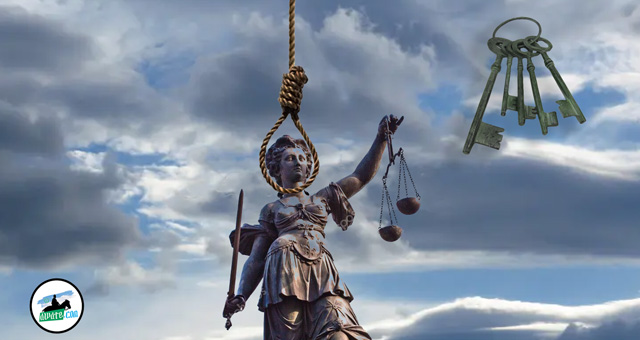
Between Approbation and Anathema Justice Suffers
“The past is never dead. It’s not even past. All of us labor in webs spun long before we were born, webs of heredity and environment, of desire and consequence, of history and eternity.” Faulkner, W. (1955), “Requiem for a Nun” This is a reflection on the insightful conversation between Daniel Teklai and Saleh “Gadi”