
Tag: Eritrean history
-
The Wound and the Cure: How Nehnan Elamanan Damaged Eritrea’s National Unity — and What a Truthful Manifesto Could Have Built Instead
Introduction: The Shadow of a Document There are moments in a nation’s history when a single document bends the arc of its political culture. Sometimes it elevates; sometimes it distorts. Nehnan Elamanan belongs to the latter category. Written in 1971, it did more than justify a factional split. It rewrote the moral grammar of the
-
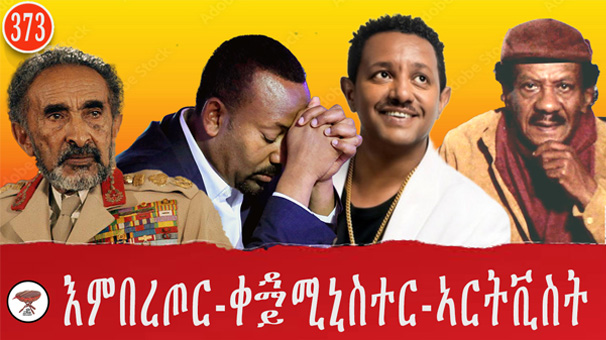
PM Abiy, Teddy Afro, and the Politics of Art
For the past few days, Teddy Afro’s new album has drawn wide attention. A friend told me its lyrics have irritated Prime Minister Abiy Ahmed’s government and sent me a clip of Abiy lecturing parliament about the difference between artists and activists. That pairing—music and political instruction—raises a deeper question: can art ever be separated
-
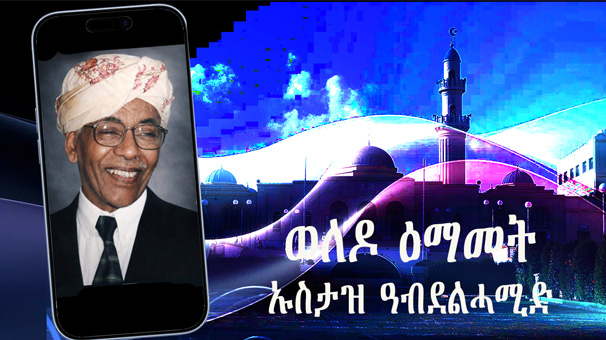
Ustaz AbdulHamid: Among the Few Left from the Umma Generation
It was Mendefera, on a January morning in 1929. The wife was expecting; soon, the child refused to remain in the womb and came into the world. An elderly midwife was there to help. The baby looked healthy. She was glad because her prediction had come true—it was a boy. Smiling, she cupped her hands
-
Endless Cycle Splits, Mergers, and Rebranding in the Eritrean Opposition
Fragmentation Without Disappearance: The Endless Cycle of Splits, Mergers, and Rebranding in the Eritrean Opposition In the middle of last year, I committed to writing about Eritrean national unity—both in its broad historical sense and within the specific context of the diaspora‑based opposition. As I continue gathering information on the latter, I readily acknowledge that
-
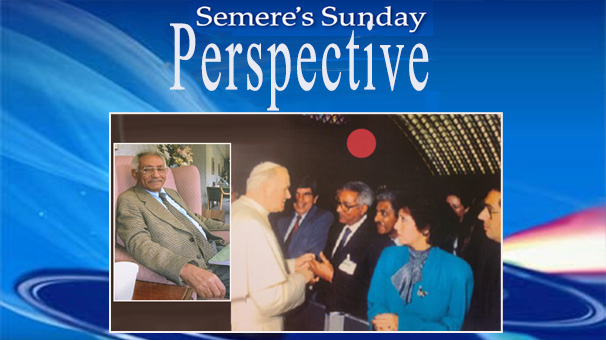
The Unsung Heroes of Our National Unity
There is a Tigrinya saying I learned from my mother: “One who does not do small deeds should not dream of doing bigger things—ንእሽተይ ጽቡቕ ዘይገብር፡ ዓቢ ክገብር ኢሉ ኣይሕሰብ.” In truth, it is the small, consistent acts of goodness that shape our character and ultimately determine the destiny of a people. We are, after
-
The Normalization of Self-Censorship in Eritrea
When self-censorship becomes pervasive, a society forfeits more than the right to open dissent; it forfeits the very conditions that make common knowledge possible – the shared awareness of what others know, think, and believe. In such an atmosphere, individuals can no longer reliably gauge the convictions of their peers or distinguish private doubt from
-
Emperor Haile Selassie and President Isaias Afwerki – Part Six
Giants and Lilliputians: Power, Image, and Machiavellian Survival Emperor Haile Selassie and President Isaias Afwerki – Part Six 1 — Introduction The Two Propaganda Campaigns The Eritrean Liberation Front (ELF) became the target of a sustained campaign of political defamation—first from Emperor Haile Selassie’s Ethiopia, and later, far more powerfully, from the Isaias-led People’s Liberation
-
Saleh, a Donkey, and Whiskey in Coffee Cups
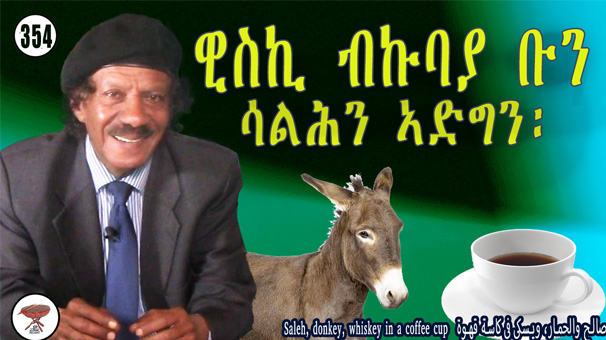
Today’s episode concludes the mini-series spanning episodes 349 to 354. I will place them all in one playlist for easy reference. And as the adage goes, sebaay klte neow nejew kbl mote—a person must finish what he starts. There are many topics awaiting us, especially the constant poking from Abiy Ahmed and his flamboyant but empty
-
Negarit 353 : Are Eritrean Youth Content?
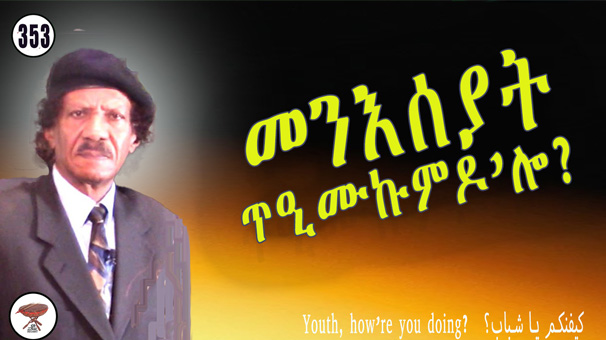
In today’s Negarit 254, I will tell you about the late Goitom, in addition to other stories of humor and human endurance that I observed during my journey through the Eritrean Kebessa, the highlands. This segment continues the travelogue I began in Negarit 249 and carried through to Negarit 352, and it leads us to
-
Giants and Lilliputians: Power, Image, and Machiavellian Survival (IV)
Giants and Lilliputians: Power, Image, and Machiavellian Survival Emperor Haile Selassie and President Isaias Afwerki (Part IV) The Seeds of Division within the Eritrean Liberation Front (ELF) Imperial Mythology and the Weaponization of Religion To understand the fragmentation of the Eritrean Liberation Front (ELF), the eventual triumph of the Eritrean People’s Liberation Front (EPLF), and
-
Meqerka, Dem Sebaay, Zagir
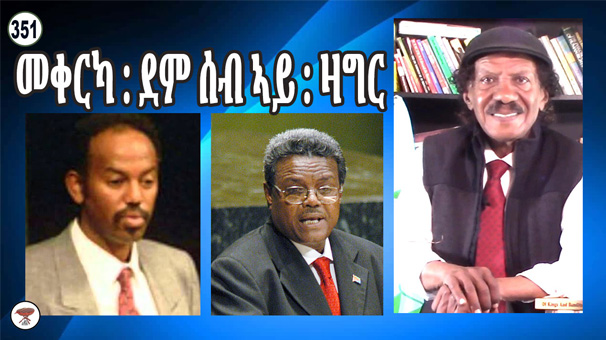
In 1967, Israel and the Arabs (basically Egypt) fought the Six-Day War; Israel overran Egyptian territories and took control of the Sinai Peninsula and effectively closed the Suez Canal. Haim Bar-Lev, the Israeli chief of staff, designed a 120 km long ditch and about 20 meters high dirt fortifications. Along the Bar Lev Line, Israel
-
Giants and Lilliputians: Haile Selassie and President Isaias Afwerki (Part 2)
Power, Image, and Machiavellian Survival: The Body as a Mirror of Power To understand Isaias Afwerki’s psychology, one must first confront the contradiction written across his body. His appearance—spare, stiff, and strangely careless—betrayed none of the humility expected of a revolutionary. Nor did it reflect the ethos of the Tegadelti, whose plainness was once a
-
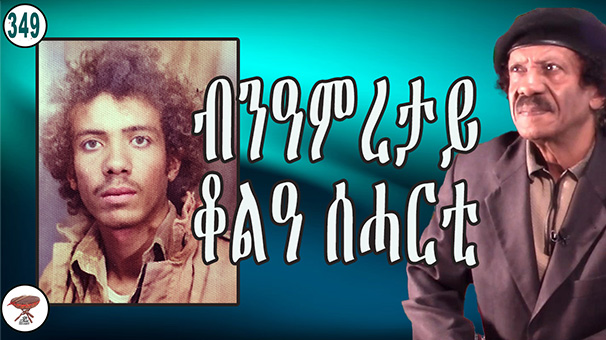
The Beni Amretay Boy in Saharti
A struggle-era picture has resurfaced with confusion for some years, and I promised to clarify a few points in an episode. Today I am fulfilling that promise and will continue to do so in subsequent installments. The series will be rich with information and anecdotes: my meeting with the late Petros Solomon and Ali Sayed
-
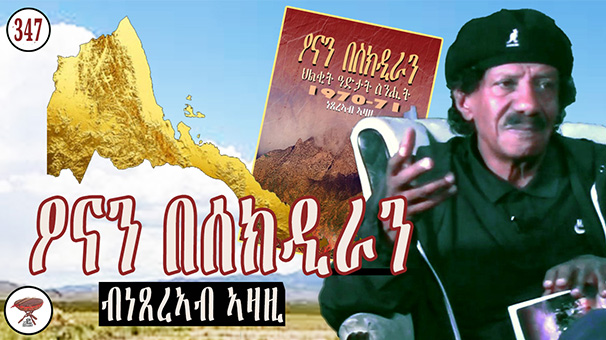
Netsereab Azazi’s Book—Ona and Besekdira
I have written and spoken about Ona—a turning point in my life and among my peers. I thought that experience was as intense as life could get. Reliving those events shakes a person to the core; it is a deeply traumatic experience. What I saw remains etched in my memory. When something stirs those recollections,
-
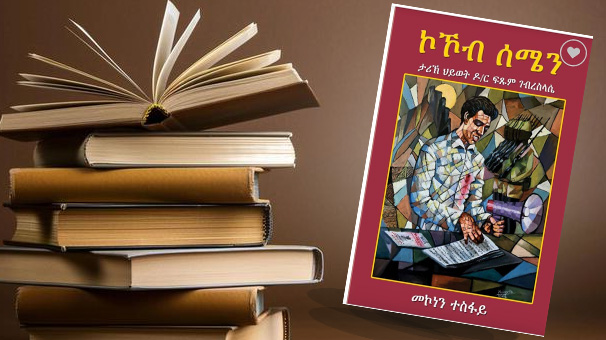
Reflection on the North Star
Editor’s note: the byline data is corrupted; so far we couldn’t resolve the technical problem. The writer of this article is Semere Andom (iSem). Last week, I had the privilege of joining a group of friends to read and reflect on Mekonen Tesfay’s book The North Star: The Biography of Dr. Fitsum. Here is the
-
A Return of Sorts to Religion
In a much-publicized recent religious event at the Anda Mariam Tewahdo church, many of the top Eritrean officials were seen at the forefront, solemnly bowing and kissing the cross. In principle, such an occurrence shouldn’t be unusual in a country with a mix of Christians and Muslims. Adherents to faith, regardless of their social status,
-
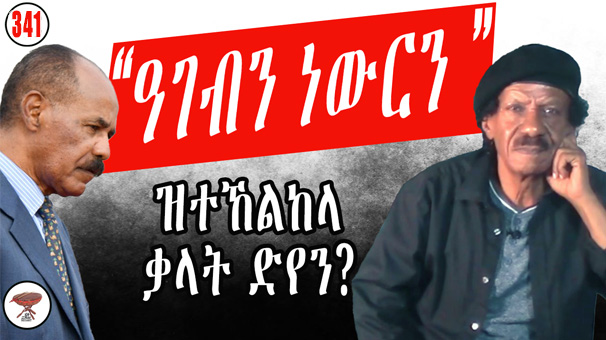
Ageb and Eb, are these words alive in our languages!
I have talked and written hundreds of essays about reconciliation; the website I founded carried the slogan of reconciliation as a guiding principle. That’s because I believe it’s a vital precondition for a peaceful coexistence, unity, and stability. And citizens must be aware of the different social components—their culture, values, and grievances. Reconciliation requires awareness,
-
Why Alemseged, Why? In Context
“History is not the past. It is the present. We carry our history with us. We are our history.” James Baldwin Every Eritrean family carries an unwritten epilogue. A grandfather’s half-told story, a photograph hidden in a drawer, a grave unmarked but remembered by the path to it. These fragments form our private archives. They
-
Alemseged Tesfai: Is that all what you are?
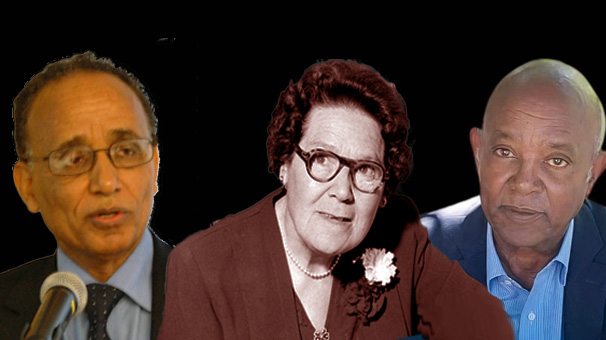
Debunking Ethiopia’s memos of late 1940s claiming ‘the return of Eritrea to its motherland,’ Margery Perham, a British historian, wrote in 1948 that every sentence in those memos “cried for comment and correction.” That expression came to my mind this week while reading Almseged Tesfai’s five-page Epilogue for the translation of his worthy three volumes
-
The Fiddle and the Fiddler:
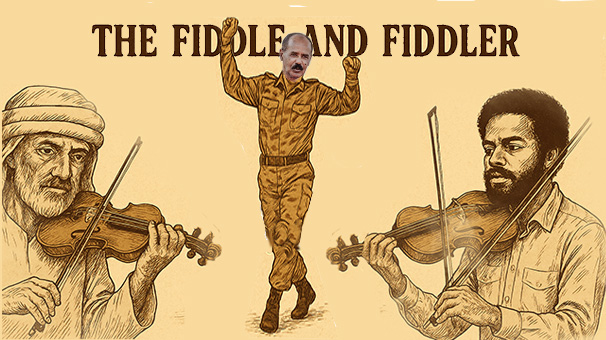
The Fiddle and the Fiddler: How the Arabs and TPLF Undermined the Eritrean Revolution The story goes: when Haile Selassie dissolved the federation and annexed Eritrea, the Eritrean people erupted in rebellion, and thus the revolution was born. The war lasted thirty years, and ultimately, the Eritreans triumphed. A compelling story. Many Eritreans dismiss the