
Tag: Eritrean nationalism
-

The Wound and the Cure: How Nehnan Elamanan Damaged Eritrea’s National Unity — and What a Truthful Manifesto Could Have Built Instead
Introduction: The Shadow of a Document There are moments in a nation’s history when a single document bends the arc of its political culture. Sometimes it elevates; sometimes it distorts. Nehnan Elamanan belongs to the latter category. Written in 1971, it did more than justify a factional split. It rewrote the moral grammar of the
-
The Day After: Preparing Eritrea for its Most Dangerous Transition
There comes a moment in the life of every nation when denial becomes a luxury it can no longer afford. Eritrea is approaching such a moment. Tick‑tock. The eventual death of President Isaias Afwerki—whether tomorrow or years from now—is not a political prediction but an unavoidable biological certainty. What follows will determine whether Eritrea survives
-
The Unsung Heroes of Our National Unity
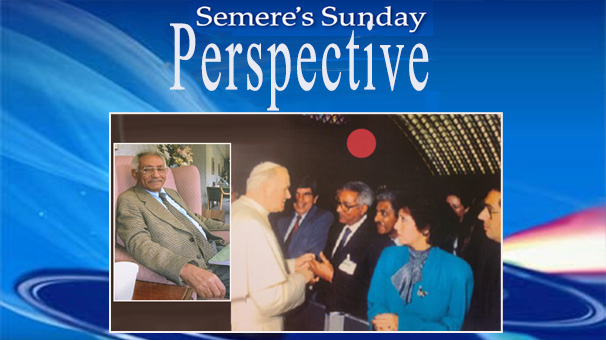
There is a Tigrinya saying I learned from my mother: “One who does not do small deeds should not dream of doing bigger things—ንእሽተይ ጽቡቕ ዘይገብር፡ ዓቢ ክገብር ኢሉ ኣይሕሰብ.” In truth, it is the small, consistent acts of goodness that shape our character and ultimately determine the destiny of a people. We are, after
-
He and his objectives
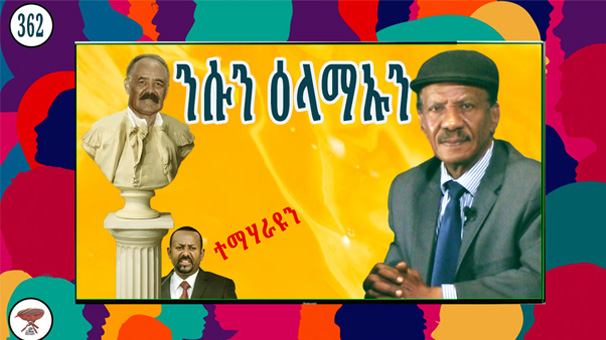
The first decade of the Eritrean struggle for independence, which began on September 1, 1961, was a period of experimentation and growing pains. By the late 1960s, however, a convergence of factors—the military setbacks of the field, the draining of regional Arab support following the Six-Day War, and the reach of sustained Ethiopian propaganda—pushed the
-
Why the PFDJ Is Afraid of Us: The Strategic Threat of Nationalist Unity
The ruling People’s Front for Democracy and Justice (PFDJ) has not endured through popular consent. It has survived through an engineered system of fear, fragmentation, and narrative domination. Its silence toward nationalist movements is not indifference—it is apprehension. Unified, principled nationalists threaten the regime on every front: politically, strategically, philosophically, and historically. Unity as Memory—and
-
Emperor Haile Selassie and President Isaias Afwerki – Part Six
Giants and Lilliputians: Power, Image, and Machiavellian Survival Emperor Haile Selassie and President Isaias Afwerki – Part Six 1 — Introduction The Two Propaganda Campaigns The Eritrean Liberation Front (ELF) became the target of a sustained campaign of political defamation—first from Emperor Haile Selassie’s Ethiopia, and later, far more powerfully, from the Isaias-led People’s Liberation
-
Giants and Lilliputians: Power, Image, and Machiavellian Survival (IV)
Giants and Lilliputians: Power, Image, and Machiavellian Survival Emperor Haile Selassie and President Isaias Afwerki (Part IV) The Seeds of Division within the Eritrean Liberation Front (ELF) Imperial Mythology and the Weaponization of Religion To understand the fragmentation of the Eritrean Liberation Front (ELF), the eventual triumph of the Eritrean People’s Liberation Front (EPLF), and
-
A Return of Sorts to Religion
In a much-publicized recent religious event at the Anda Mariam Tewahdo church, many of the top Eritrean officials were seen at the forefront, solemnly bowing and kissing the cross. In principle, such an occurrence shouldn’t be unusual in a country with a mix of Christians and Muslims. Adherents to faith, regardless of their social status,
-
In Conversation with History
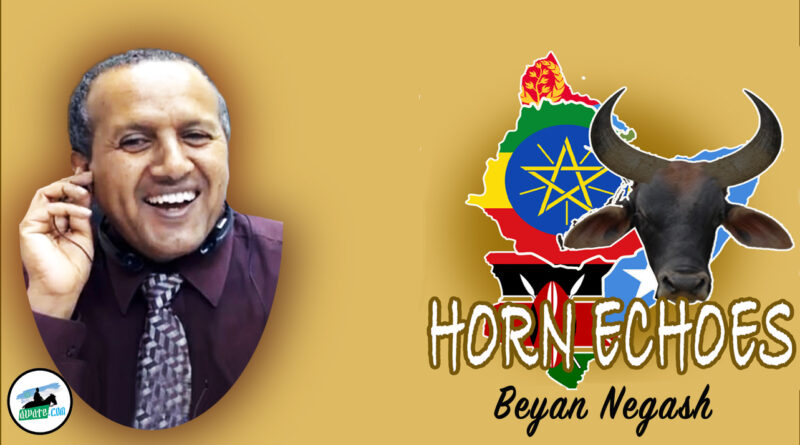
The history of Eritrea cannot be reduced to isolated dates that mark the fall of emperors or the clashes of factions. It must be understood as a continuum in which missed opportunities, fratricidal tragedies, and enduring symbols converge into lessons still awaiting full reckoning. This essay considers three pivotal currents: the slow death of the