
Tag: memory
-
Giants and Lilliputians: Power, Image, and Machiavellian Survival (Part V)
Giants and Lilliputians: Power, Image, and Machiavellian Survival Beyond Emperor Haile Selassie and President Isaias AfwerkiThe centralizing dogma of empire, religion and revolutions Eritrea and Ethiopia are lands where mosque and monastery, Qur’an and Psalter, have long breathed the same air. At their deepest currents, the histories of these nations are not tales of division,
-
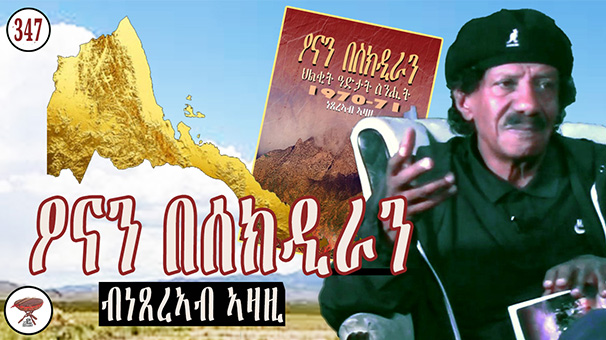
Netsereab Azazi’s Book—Ona and Besekdira
I have written and spoken about Ona—a turning point in my life and among my peers. I thought that experience was as intense as life could get. Reliving those events shakes a person to the core; it is a deeply traumatic experience. What I saw remains etched in my memory. When something stirs those recollections,
-

Refugees Speak Back: Unsettling Exile and Home
In 2007, the Red Sea Press published Sadia Hassanen’s Repatriation, Integration, or Resettlement? The Dilemmas of Migration among Eritrean Refugees in Eastern Sudan. Based on her doctoral dissertation, the book quickly became one of the most important studies of Eritrean refugees in Kassala and surrounding camps. It asked a simple yet unsettling question: what or where
-
Why Alemseged, Why? In Context
“History is not the past. It is the present. We carry our history with us. We are our history.” James Baldwin Every Eritrean family carries an unwritten epilogue. A grandfather’s half-told story, a photograph hidden in a drawer, a grave unmarked but remembered by the path to it. These fragments form our private archives. They
-
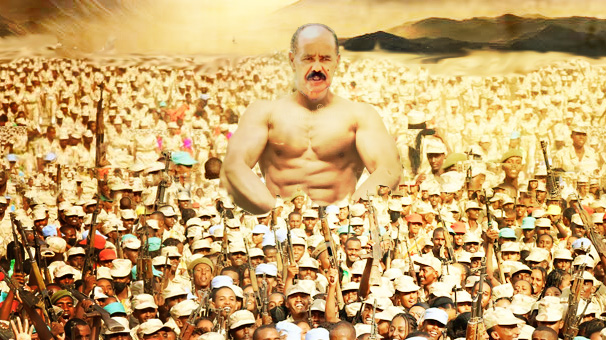
The Religion of Eritreanism in Exile
Author’s Note: This essay is not a tactical critique of government or opposition, but an attempt to reframe how we think about Eritreanism itself. I argue that in exile, Eritrean identity has taken on the qualities of a religion (sustained by longing, ritual, and taboo), which creates a pseudo-reality that confuses expression with political participation.
-
The River Remembers: The Silence Between Names (Part III)
“From the eye that remembers to the I still learning to see—memory doesn’t merely recall, it refracts.” “What we inherit through the eye is often unresolved; we see what we were taught to remember, not what is.” “The act of seeing is a practice, a discipline; The I must unlearn to perceive anew.”
-
The River Remembers (Part II): The Archive of the Unsaid
In this installment of The River Remembers, the author dives beneath the surface of colonial history to explore its psychic and linguistic aftermath—what remains unspoken, untranslatable, and unresolved. Through a reflective reading of Tayeb Salih’s Season of Migration to the North, the essay examines how colonialism embeds itself not only in roads and records but…