
Tag: post-independence Eritrea
-
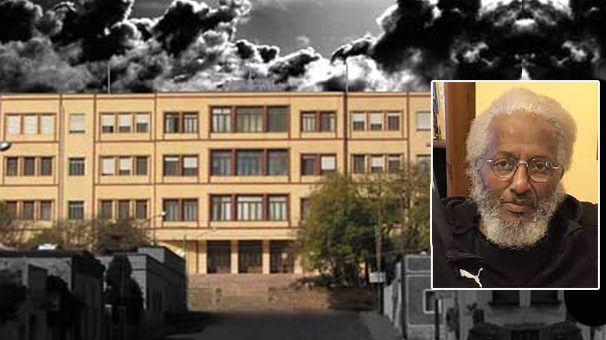
The Normalization of Self-Censorship in Eritrea
When self-censorship becomes pervasive, a society forfeits more than the right to open dissent; it forfeits the very conditions that make common knowledge possible – the shared awareness of what others know, think, and believe. In such an atmosphere, individuals can no longer reliably gauge the convictions of their peers or distinguish private doubt from
-
The Golden and the Tin
The Greatest Generation A year ago, or a little longer, a female Eritrean YouTube content creator interviewed Ustaz Saleh Younis, during which he disclosed his preference for the Revolution generation, calling it the greatest generation. I had to second his preference and adopt it, mainly because there is ample evidence to support its validity. When
-
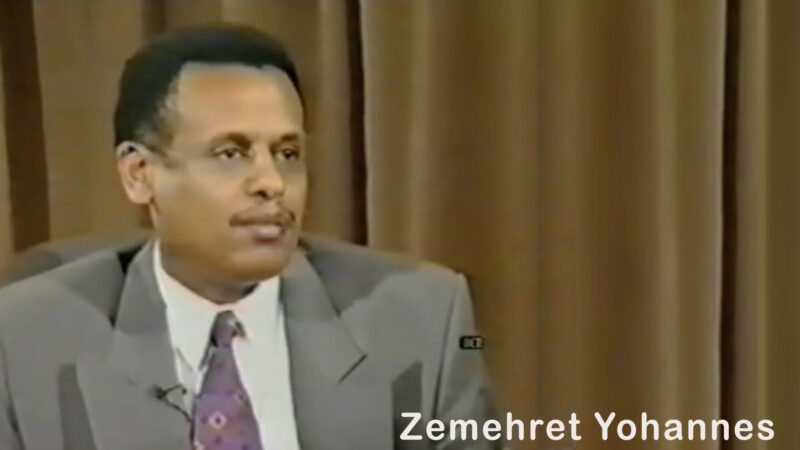
Zemihret Yohannes: A Revolutionary Legacy in Eclipse
“Once reckless in the face of danger, Zemihret became a docile servant of power—how a roaring lion, at last, learns to purr.”
-
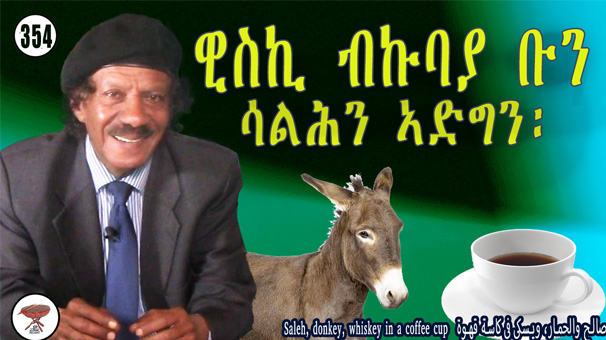
Saleh, a Donkey, and Whiskey in Coffee Cups
Today’s episode concludes the mini-series spanning episodes 349 to 354. I will place them all in one playlist for easy reference. And as the adage goes, sebaay klte neow nejew kbl mote—a person must finish what he starts. There are many topics awaiting us, especially the constant poking from Abiy Ahmed and his flamboyant but empty
-
Giants and Lilliputians: Haile Selassie and President Isaias Afwerki (Part 2)
Power, Image, and Machiavellian Survival: The Body as a Mirror of Power To understand Isaias Afwerki’s psychology, one must first confront the contradiction written across his body. His appearance—spare, stiff, and strangely careless—betrayed none of the humility expected of a revolutionary. Nor did it reflect the ethos of the Tegadelti, whose plainness was once a