
Tag: Yemen
-
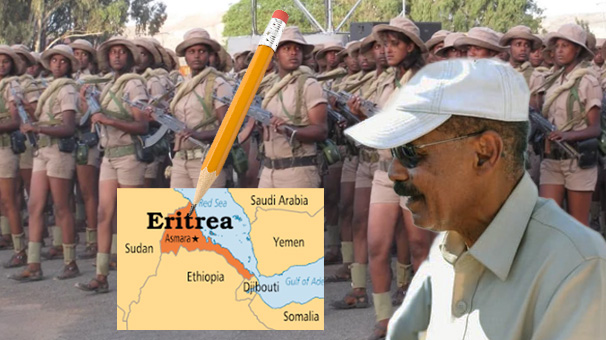
The Eritrean Regime and Its Neighbors
On May 24, 1991, Eritreans achieved their long-sought independence, formally recognized on May 24, 1993. Yet, true freedom remained elusive. The organization that became the ruling government legally solidified its hold—not through popular consent, but through brute force, injustice, and external alliances and considerations. Those early days were euphoric; few foresaw the wars and displacements
-
The Horn of Africa States Ethiopia’s Undiplomatic Faux Pas
It was always clear that Ethiopia’s false historical narrative would one day catch up with it. The country that was Abyssinia adopted Africa’s historical Greek name, Ethiopia, in 1932. It currently proves every sunrise and every sunset that it cannot hold the many nations it had held together by force in the past. The war
-
The Horn of Africa States The Need Beyond the Narrow Mindset
Favoritism is a disease that causes immense damage to any organization, country, or region. It takes competency out of the equation, and if one goes back to history, one will note that any leader who used favoritism as a guide to his/her leadership by appointing friends, loyal people, and family members in key positions in
-
Temazight and Eritrea
North Africa needs to be invaded by Eritrean scholars, it’s more worthy than the unexplainable obsession with Pushkin! So far, I haven’t seen any study that makes him relevant to Eritrea—culturally or otherwise. I believe no one knows his ancestral relation with Eritrea; I suspect it’s an invention by a Russian or Turkish scholar that
-
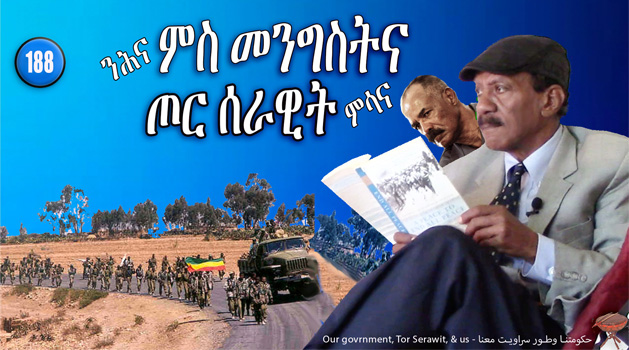
Presence of Ethiopian Forces In Eritrea
Can wars end? What are signs that wars will end? What was the result of past “wars to end wars”? Is our region hastening Armageddon? Will the war in our region ever end? Who are the actors in the war apart from what we see? What is sovereignty when foreign forces are stationed in a
-
Casualty and Effect
Living in Eritrea, far from the Sea, I only knew canned Sardines. Then I went to Massawa and tried grilled chunks of fish—I thought Massawans were pulling a joke on me, giving me beef, and claiming it was fish! Years later I lived in Jeddah and AlKhober but never cared for fish. Then I moved
-
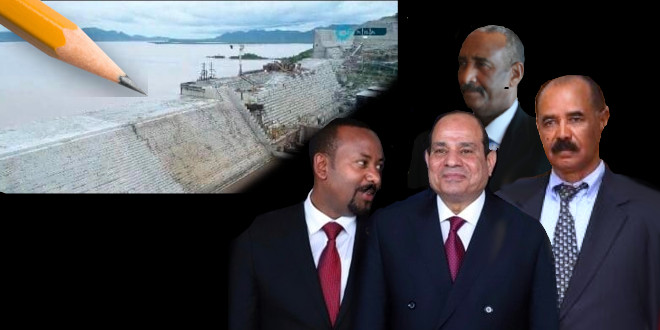
Dam On The River Nile
The Horn of Africa region saw two weeks of hectic travels. And Eritrean officials travelled the most. If the leaders were enrolled in a travel-miles program they would have accumulated so many travel credit. On June 25, Isaias visited Sudan and met Abdelfattah AlBurhan, the Chairman of the Transitional Military Council. And on July 6,
-
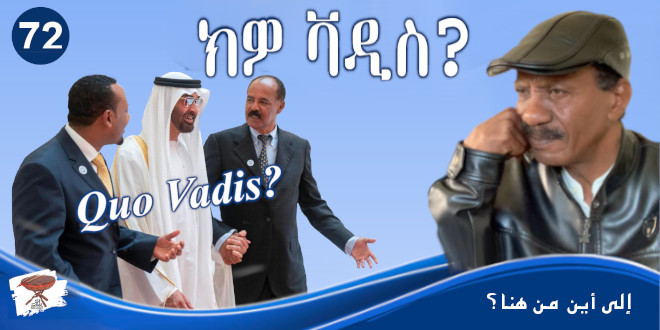
Quo Vadis? – ክዎ ቫዲስ? – إلى أينَ من هنا؟
Jesus was born in Nazareth*, Galilee, when the Roman emperor Herod ruled Palestine. He was a Roman citizen. Our character of today, Nero the notorious Roman emperor, was born in AD 37, four years after the ascension of Jesus Christ. Nero was only 16 years old when he became emperor and ruled for 13 years.
-
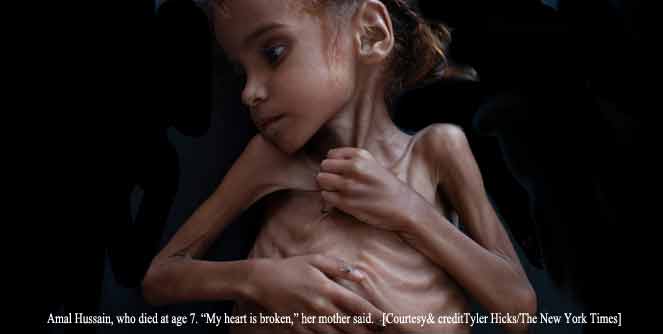
A Third of the Bombing Sorties on Yemen Deployed from Eritrea
Gedab News has learned that more than a third of the approximately 18000 sorties deployed by the Saudi-Emiratee coalition against Yemen was launched from the Red Sea coast of Eritrea. After initially training and arming the Yemeni Houthi rebels, the Eritrean government switched sides and supported the Saudi-Emiratee coalition allowing it to use Eritrean land,
-
The Arsonists’ Fire and a Bucket of Water
Into the noise with a small bucket of water, trying to help put down the fire that the arsonists started. If you like the water in the bucket, well and good. If you don’t, “you are forgiven”. If you like what you watch, be prepared for more. Also, kindly do not forget to like, share,
-
Isaias-Saudi-UAE Alliance: Tails Trying to Wag the World
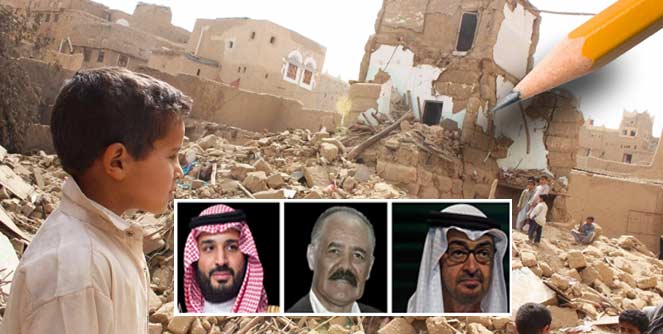
This is an Eritrean perspective, but probably it reflects the views of all victims alike. And Eritrea is ruled by a ruthless tyrant and complacent neighbors. Now regional countries are conspiring against Eritreans. That is more than a double whammy, it’s quintet interest arrayed against the interest of Eritreans. Isaias Afwerki, the Eritrean president, has
-
Ali Saleh Faced Muammer Gaddafi’s Fate
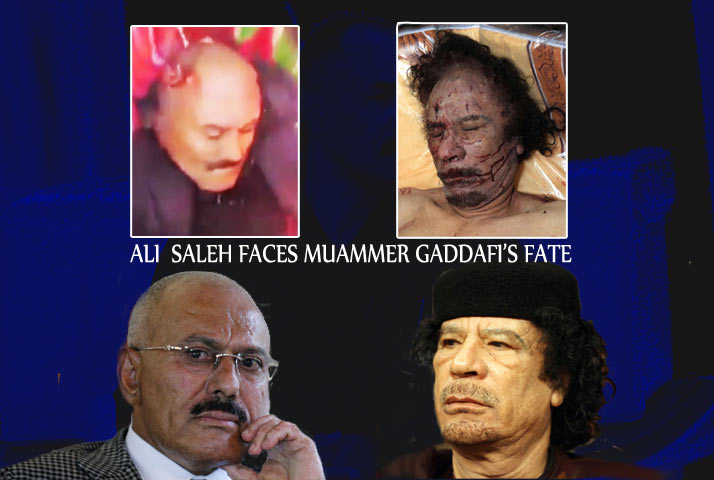
Two days after he disowned his Houthi allies in a television interview, and calling on Saudi Arabia to end its hostilities in Yemen, armed Houthis stopped his convoy south of Sanaa and shot him in the head. Yemeni sources indicated he was on his way to being smuggled out of the country by UAE forces.
-
Did the Eritrean Regime Embrace Wahabism?
The State of Qatar, until recently one of the main financiers and patron of the Isaias Afwerki regime, is now its enemy, together with Iran and Turkey, the triad that the Eritrean regime alleges they promote the ideology of the Muslim Brotherhood. The shift began two years ago. In March 2015, a Saudi led coalition,
-

Eritrean Economy: Transportation Crisis And Turf War
A turf war has surfaced and it involves the Eritrean ministry of transportation and the economic arm of the ruling party. The squabble is expected to escalate further. Informants indicated that “a few other ministries are also awakening to the unfettered monopoly of the national economy by the ruling party.” The ruling People’s Front for
-
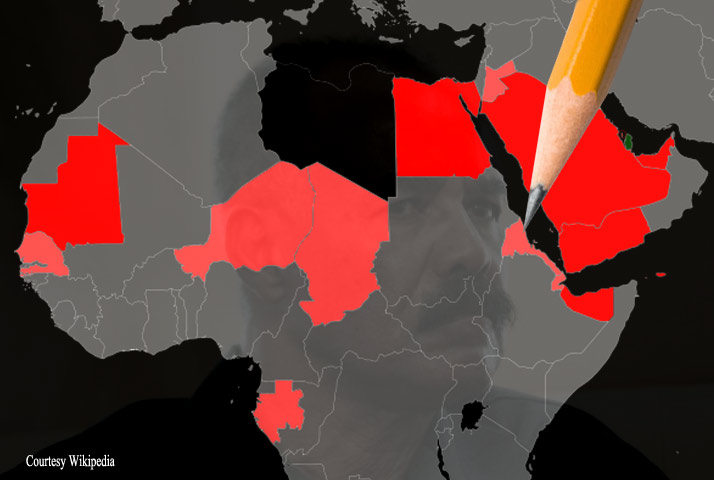
A Stalemate Breaks Down in The Arabian Gulf
Generally, when there is a national conflict, the people follow. Their salvation can only come from wise friends—but only if the antagonists are willing to listen, and only if their friends are not inflaming their passions. Sadly, the confrontation in the Arabian Gulf is happening in the worst time when a friend both sides would
-
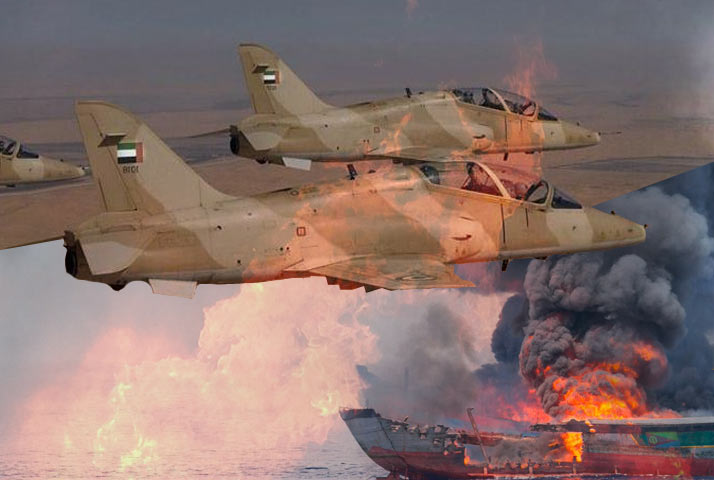
UAE Air Force Kills an Eritrean Fisherman and Wounds Six
Fighter planes belonging to the United Arab Emirates air force based in Assab, Eritrea, has killed Idris Redyo, and wounded six other fishermen.Only a trainee child in the boat escaped the UAE air force bullets. The fishermen’s boat was attacked in an area about eight kilometers off the fishing port of Eddi, close to the
-
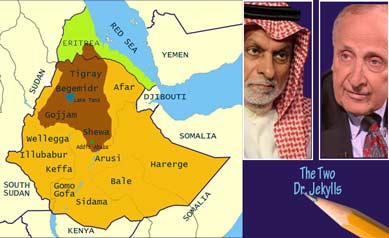
Cold War Ended, Hot War Continues
The 20th century is very much defined by the cold war that continued from 1947 to 1991. For Eritreans however, that period was not cold at all, it was a never-ending cycle of violence, bloodshed and social displacement. In 1991 the general mood was optimistic as the end of the cold war introduced alluring terms like
-
PFDJ’s Eritrea: Klashnikov Diplomacy
Eritrea, under the despotic rule of the People’s Front for Democracy & Justice (PFDJ), has rushed to war and strolled to peace, and it has always accepted peace under terms much worse—after a lot of blood, toil, tears, and expenses—than the initial peace deals. The regime has had direct wars with Yemen (1995), Ethiopia (1998-2000),